Third molars, commonly known as wisdom teeth, extractions are among the most common surgical procedures for young adults, but they can result in complications such as dry socket, pain, and infection. Many of these issues stem from patients not fully understanding or following post-operative instructions.
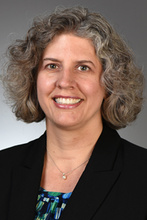
Dr. Michelle McQuistan, associate professor in the Department of Preventive and Community Dentistry, and her research team have received a Clinical/Dental Education Research Initiative Support Program (CRISP) grant to investigate whether the Teach-Back Method—a communication technique where patients repeat instructions in their own words—can improve patient outcomes after wisdom teeth extractions.
This randomized controlled trial will compare outcomes between patients who receive Teach-Back instruction and those who receive standard verbal and written instructions. The study will assess patient adherence to homecare instructions, incidence of post-operative complications, satisfaction with provider communication, and care-seeking behavior after surgery.
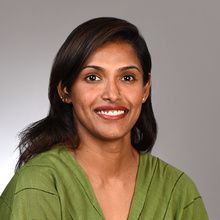
“If patients better understand their post-operative instructions, they may be more likely to follow them, which could reduce complications and improve recovery,” said Dr. McQuistan. “This study explores how a simple communication strategy might make a meaningful difference in patient outcomes and clinic efficiency,” added Dr. Ankita Vishwamitra.
Dr. McQuistan’s research team includes Dr. Ankita Vishwamitra (Dental Public Health resident), Drs. Dan Caplan, L. Brendan Young, and Jennifer Sukalski (Preventive and Community Dentistry); Drs. Douglas Kendrick and Erik Mangelson (Oral and Maxillofacial Surgery); and Ms. Molly Matkovich (Biostatistics and Computational Biology Division).
The study is supported by the University of Iowa College of Dentistry’s CRISP program, which funds faculty-led research focused on clinical and dental education questions. The project was developed by Dr. McQuistan and Dr. Vishwamitra as a thesis project for Dr. Vishwamitra, and the results will be presented at national conferences and submitted for publication, with potential applications in other clinical settings and dental education programs.