Editor's Note: This story was first published in the Fall 2025 Edition of the Dental Link magazine.
On clinic mornings, Karin Weber-Gasparoni meets young patients at eye level, her voice soft but sure. She notices the way small hands grip a caregiver’s sleeve and how nervous feet swing.
“I have walked in those shoes,” she says. “Being a mother of a child with special health care needs changes how you see everything.”
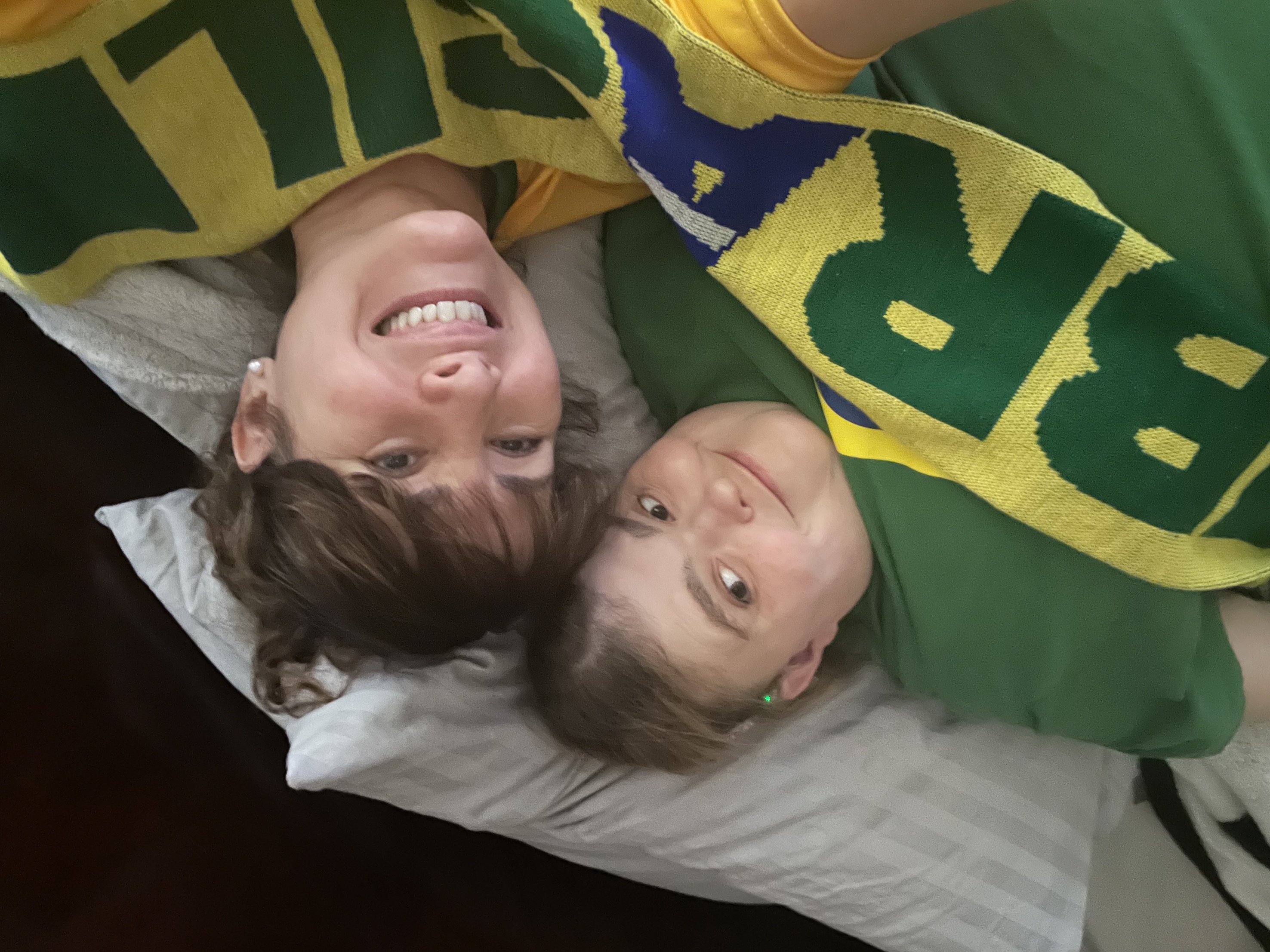
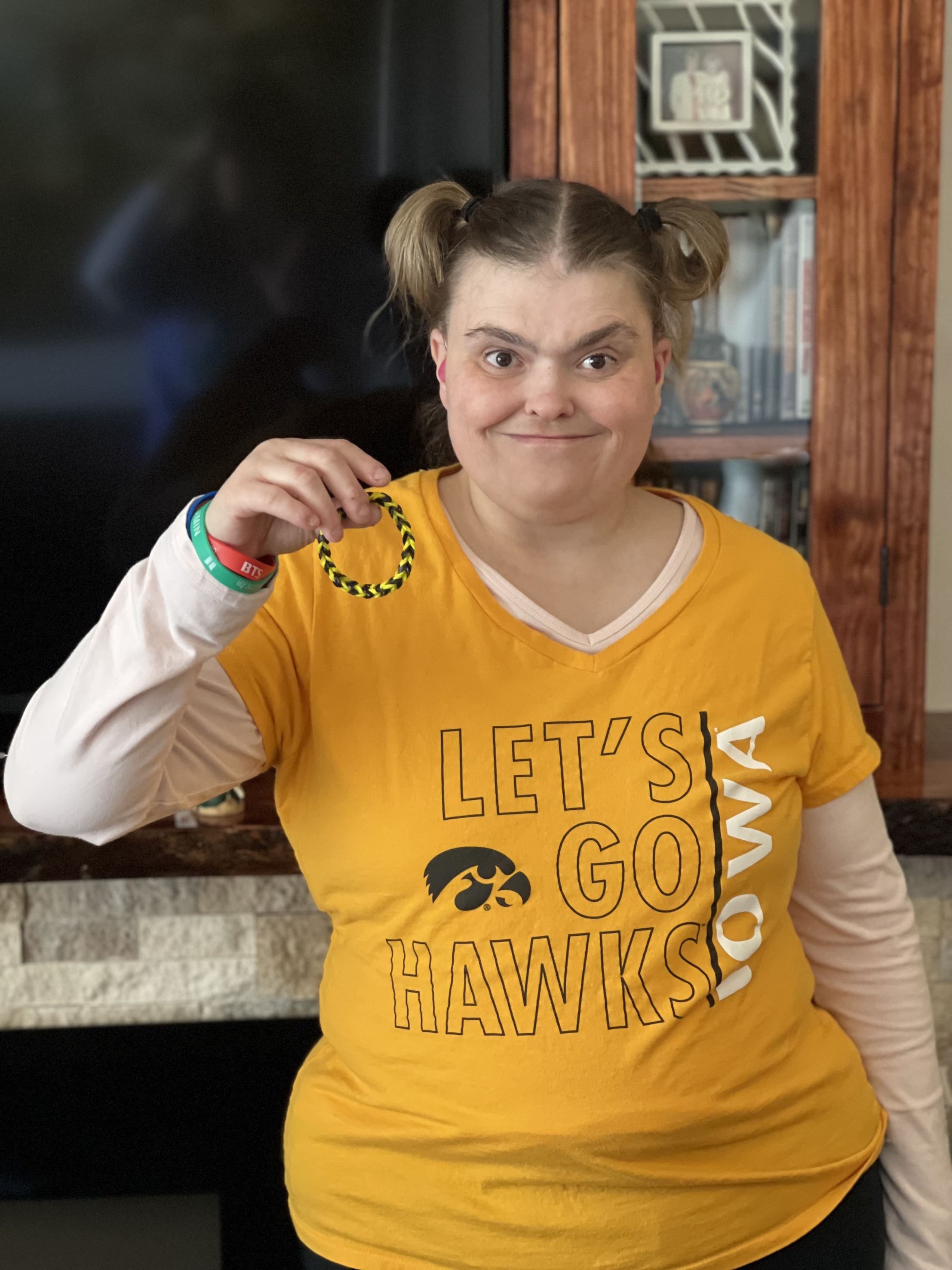
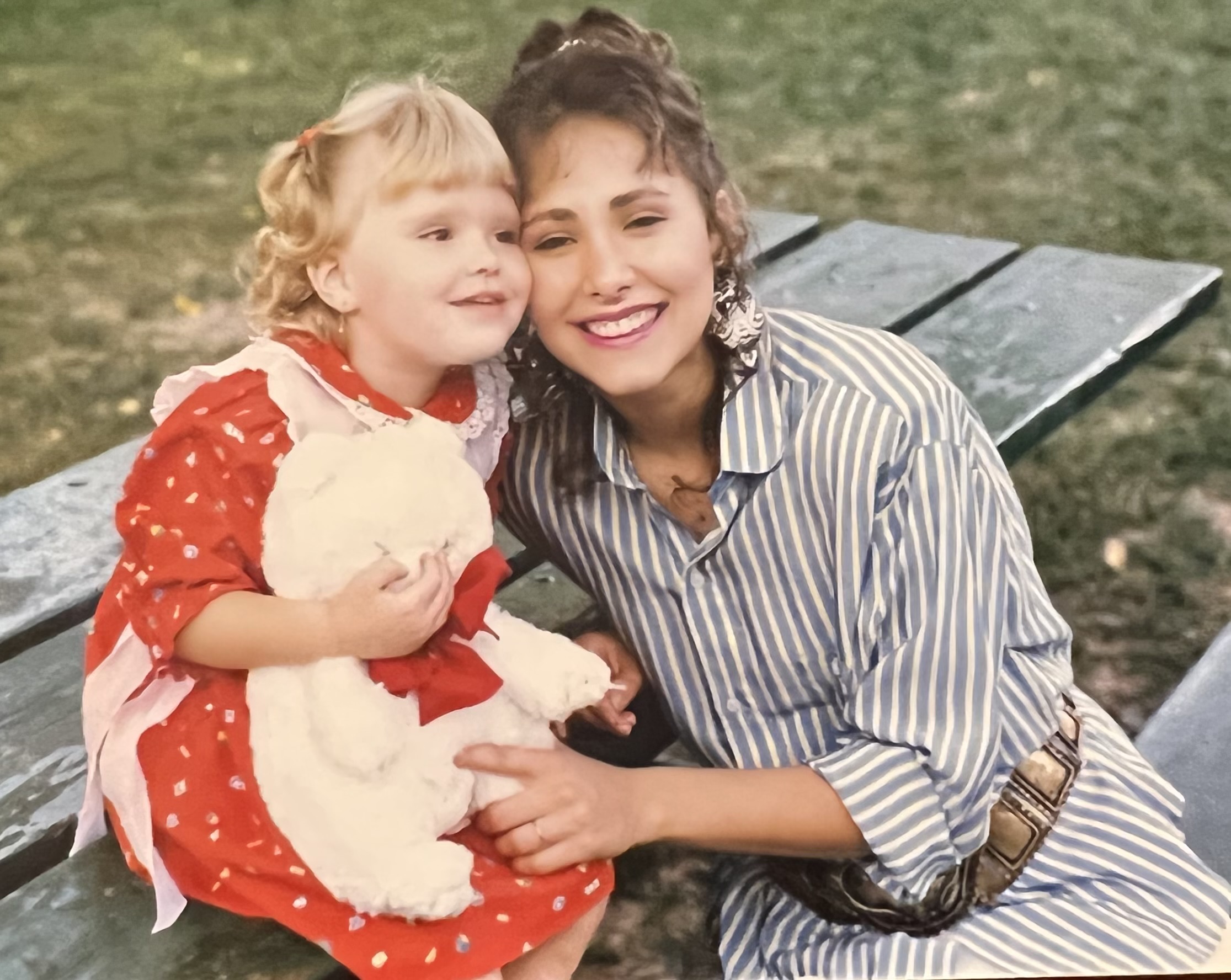
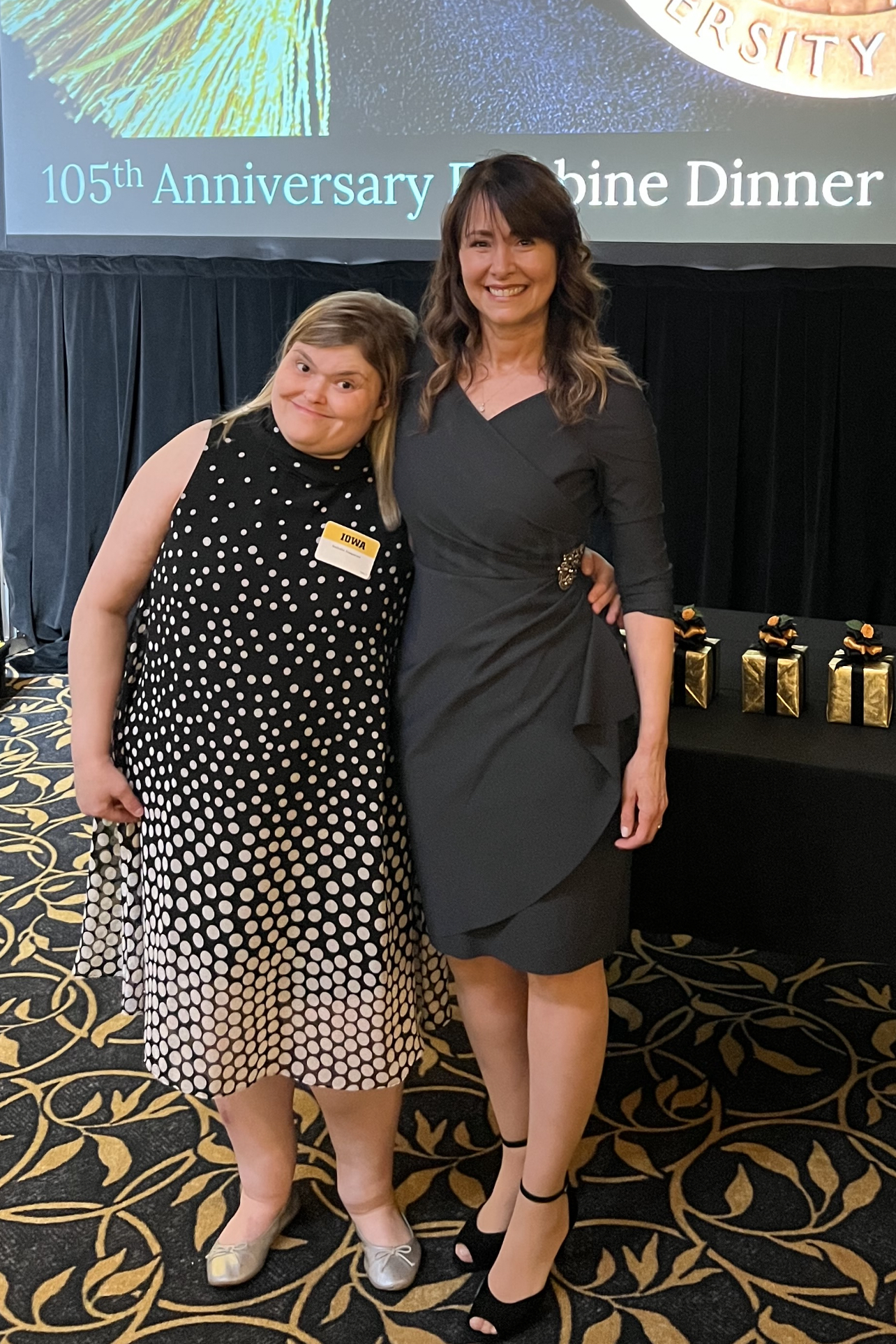
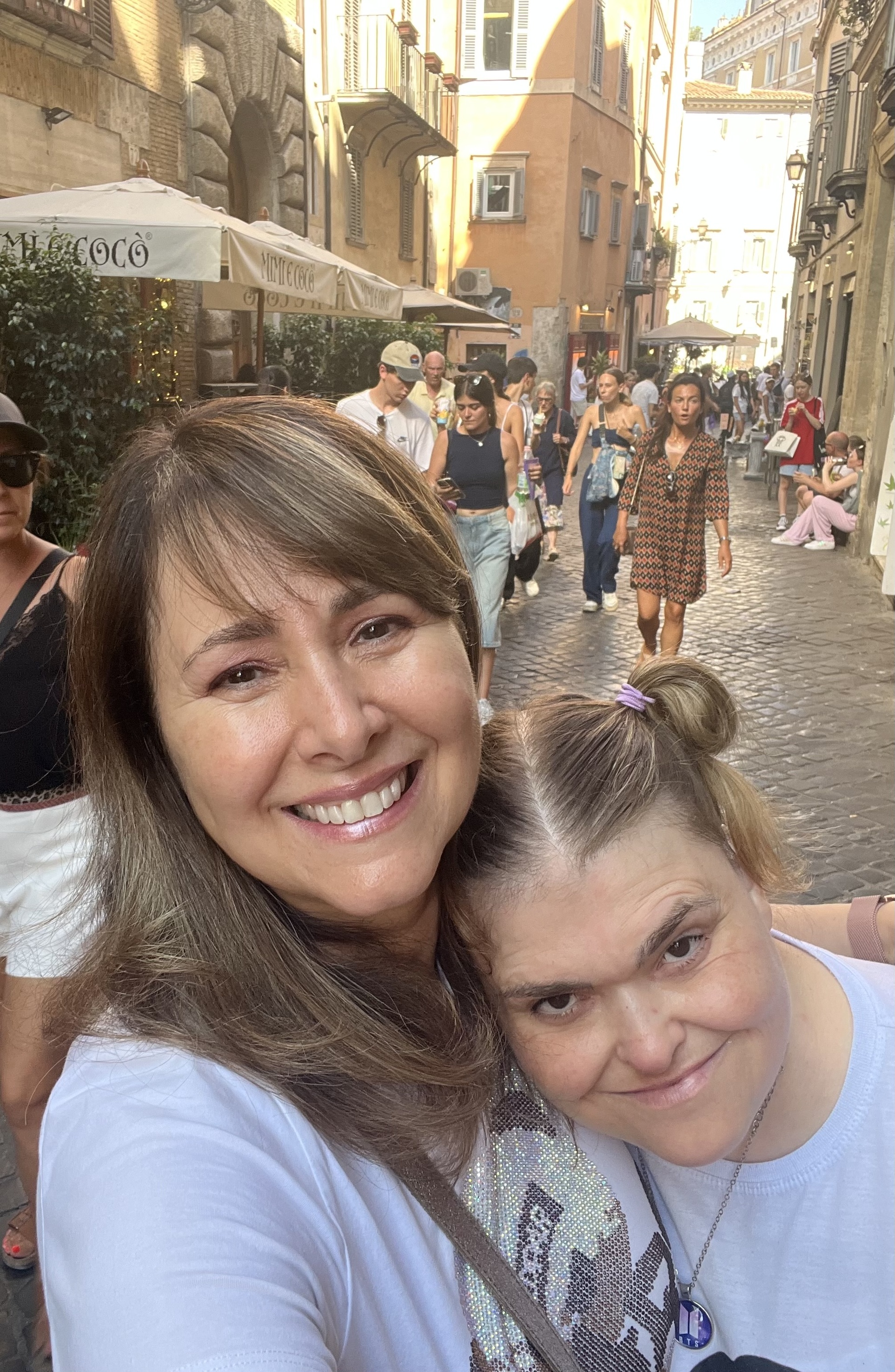
Weber-Gasparoni, department executive officer of the Department of Pediatric Dentistry in the University of Iowa College of Dentistry and Dental Clinics, traces her “why” to her daughter, Nathalia, who lives with Smith–Magenis syndrome.
Long before Iowa became home, Karin was a young single mother in Londrina, Brazil, pushing through financial strain and complex care.
“My life experience led me to pediatric dentistry,” she says. “It was a no-brainer that I would provide the safest, most comprehensive care for any child who enters my office—regardless of medical condition or socioeconomic status.”
That conviction drew her to Iowa in 1996. She arrived to specialize in pediatric dentistry and earn graduate degrees in dental public health and oral science—and found mentors like Dr. Michael Kanellis, who believed prevention starts at the very beginning.
“Iowa is a pioneer of infant oral health,” she says. “Children should be seen by age 1. That philosophy shaped me.”
It also shaped programs. Seeing that many high-risk infants were not reaching the College of Dentistry, she helped launch a first-of-its-kind infant oral health program with Johnson County’s Special Supplemental Nutrition Program for Women, Infants, and Children (WIC) clinic in 1998.
“We couldn’t wait for families to come to us,” she says. “We needed to go where they already receive care.”
The team has since provided free preventive services to thousands of infants and toddlers while training dental and pediatric medicine residents side by side.
“The education and the community service—there’s no price you can put on that,” she added.
Her family story continues to guide the work across the university. Pediatric dentistry faculty and residents treat children at the College of Dentistry, the Center for Disabilities and Development, and the University of Iowa Stead Family Children’s Hospital, where the team collaborates with colleagues in medicine, offers care under general anesthesia when needed, and responds to after-hours emergencies.
“We are the quarterback of a child’s dental team,” Weber-Gasparoni says. “It takes a village, and we bring the village together.”
Research is part of that village. As principal investigator of a multi-site National Institutes of Health (NIH) study—Birth to Three, Cavity-Free—she and collaborators test a motivation-based approach to help low-income families prevent early childhood caries beginning in pregnancy.
“If we reach a child at age 3 with healthy habits and no decay, we give that child a chance at a life free of pain and infection,” she says.
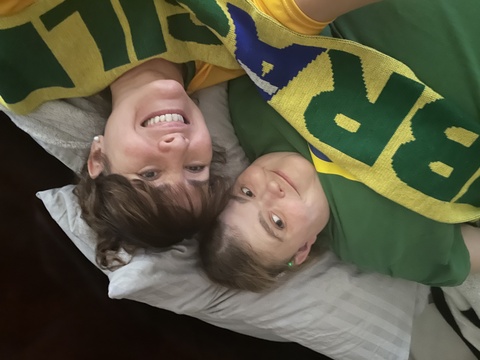
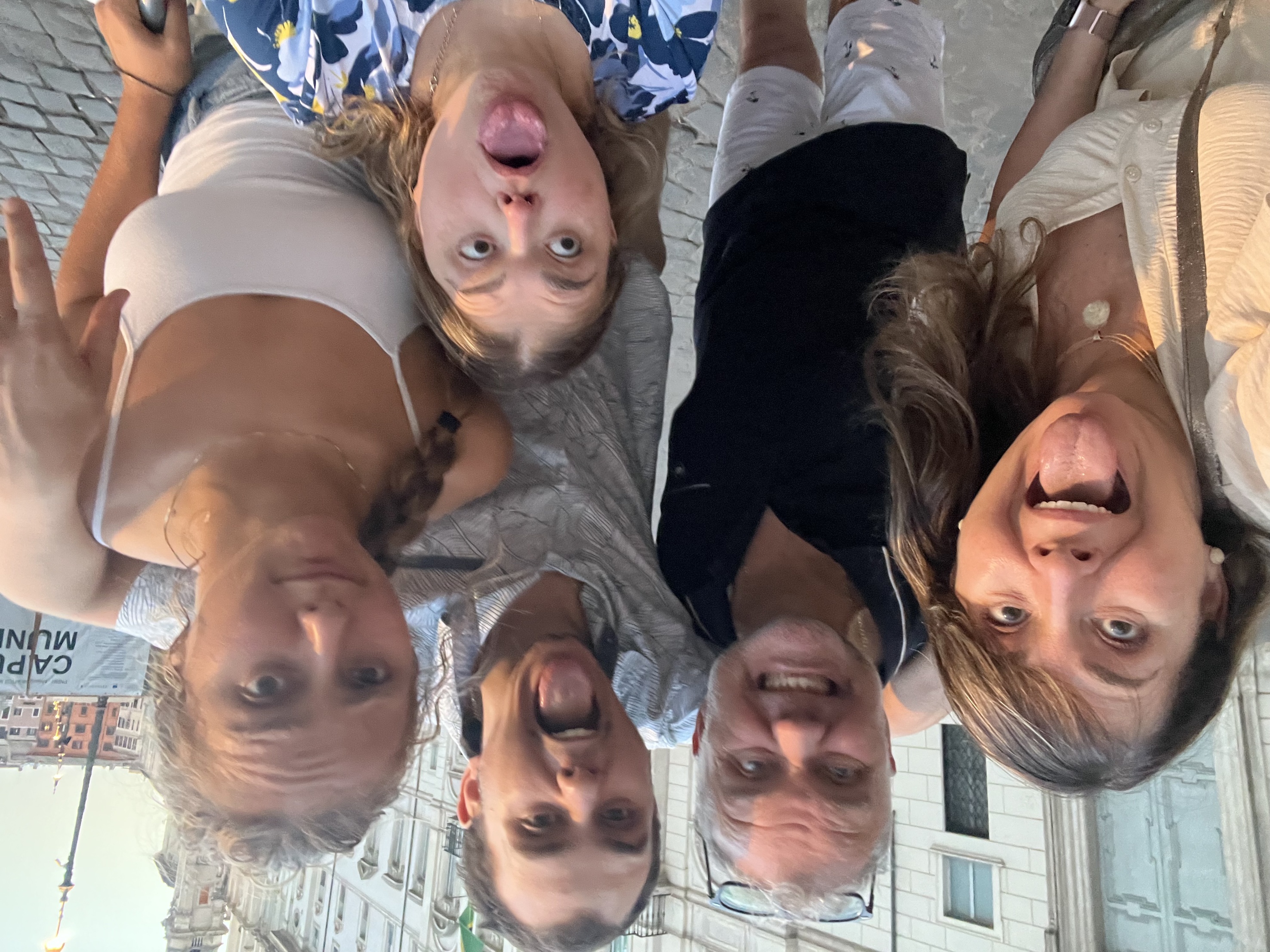
Through it all, family remains the quiet metronome. Iowa has been a haven for Nathalia, and a professional home that feels like an extended family for Karin.
“There’s a true sense of belonging here,” she says. “I want every parent who walks in to feel understood—no judgment, only our best. My goal is always to go above and beyond for the child, and, if something is outside our scope, to find the right person who can help.”
She smiles. “We’re here to restore function, restore confidence, and restore childhood. That’s why I’m here.”