
In the University of Iowa College of Dentistry and Dental Clinics, the pharmacy phone rings between patients, lectures, and clinic visits. On the other end is a dentist from a small town in Iowa, speaking quickly. A patient is in the chair, there is a medication concern, and they need an answer now.
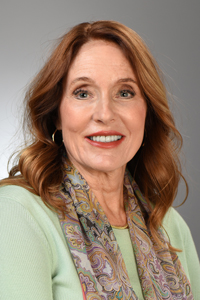
“The standard opening statement that you hear is, ‘This is Dr. So-and-So from Eldridge, Iowa, and I’ve got a patient in the chair,’” says Karen Baker, Associate Professor Emeritus of Oral Pathology, Radiology, & Medicine.
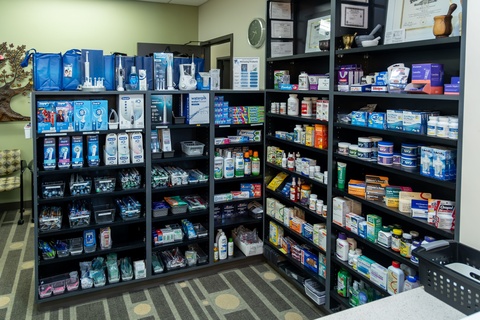
For decades, this kind of immediate support has defined the work of clinical pharmacists inside the college. Embedded within the college on the third floor, pharmacists assist dental providers in making informed decisions for patients with increasingly complex medical histories and medication needs.
The service has grown significantly since it started. “It was probably seven feet by seven feet – the pharmacy closet,” Baker recalls. “That’s where it started in 1972 when the building opened.”
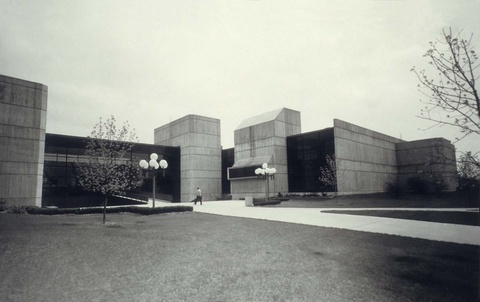
When she joined the college in 1981 as a clinical assistant professor, the operation was still small. But the need was clear.
“There was already a sense that this collaboration between pharmacy and dentistry made sense,” Baker says. “It was really about building something that responded to patient and educational needs.”
Over time, the pharmacy service evolved alongside the college’s clinics and curriculum. What began as a one-person operation expanded as patient care became more medically complex and as students needed stronger preparation to navigate those challenges.
“It evolved alongside the changing needs of patients, departments, and education,” Baker explains. “It was all logical in response to what was required.”
Close integration is part of what makes the University of Iowa’s program unique.
“We’re right here,” Baker says. “That proximity matters – it creates a level of responsiveness and trust that you just cannot replicate when the service is remote or disconnected from the clinic.”
The dental pharmacy is strategically located between the Family Dentistry and Admissions clinics on the third floor, allowing for dental students to often learn from clinical pharmacists in real time during their third and fourth years.
“Students will stop by and say, ‘Can we talk about this patient?” Baker says. “That kind of access changes everything. It means pharmacotherapy isn’t something separate from care; it’s part of the daily clinical conversation.”
Inside the classroom, Baker focused on helping students connect pharmacology concepts to the patients they are treating.
“We will make it relevant and allow you to see the connections of pharmacology and what you’re actually seeing in patients,” she says. “You have to justify the memorization by understanding how it applies clinically.”
The lessons often stay with students long after graduation when they can recall details taught by Baker because it was such an interwoven part of their clinical education.
“One of the most rewarding things is when students come back and say, ‘I’m glad I memorized those drug classes, because now I can recognize what’s happening with a patient in front of me,’” Baker says.
She remembers one student who immediately identified a patient’s myasthenia gravis, a chronic autoimmune neuromuscular disorder, because of the medication listed in the chart. Moments like that reinforce the value of integrating pharmacology into daily clinical education.
The pharmacy team also supports long-term patient management in specialized areas of care, including compounding and mailing medications for patients who travel long distances to Iowa City for treatment.
“We really couldn’t manage these patients well – certainly not manage them well long term – without that service,” Baker says.
As health care continues to evolve, Baker believes the partnership between pharmacy and dentistry will only become more important.
“The collaboration between clinical pharmacists and dental clinicians continues to provide tremendous value,” she says. “Our mission is to help clinicians provide optimal patient care. That’s what we’re all about.”