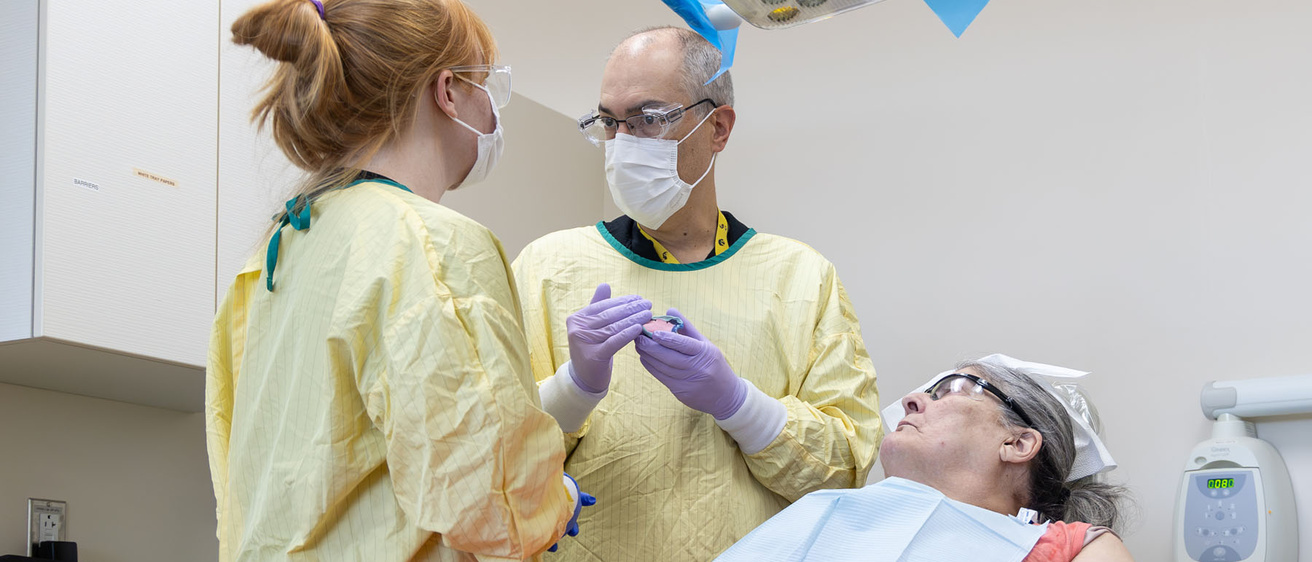
For an older adult living in a nursing home or a person whose disability makes a routine dental visit difficult, access to care can depend on whether a provider understands more than teeth. Medical conditions, mobility, communication, transportation, and a patient’s support system can all shape whether treatment is possible.
The University of Iowa’s decades of work addressing those needs are now helping shape the field internationally. Leonardo Marchini, professor and department executive officer of the Department of Preventive and Community Dentistry at the University of Iowa College of Dentistry and Dental Clinics, has been appointed to the Scientific Committee of the International Association for Disability and Oral Health.
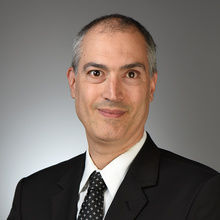
“I view this appointment as recognition of the preeminence of the University of Iowa’s Geriatric and Special Needs (GSN) Program rather than recognition of any one individual,” says Marchini, “The program has earned a national and international reputation for excellence in clinical care, education, research, and community engagement.”
Known as iADH, the organization works to improve oral health and quality of life for people with disabilities and other populations that face barriers to care.
“The committee develops scientific content, promotes international research collaborations, supports research networks, evaluates research competitions, and helps ensure the quality of scientific programming at iADH congresses,” says Marchini.
Marchini sees Iowa’s place in that conversation as a reflection of the university’s sustained commitment to the field.
“The University of Iowa allows us to work across the entire continuum of geriatric and special needs dentistry,” says Marchini, “We provide direct care to individuals with complex medical, physical, cognitive, and behavioral challenges; we educate dental students, residents, and visiting scholars; and we conduct research focused on improving care for underserved populations.”
The Geriatric Mobile Unit extends that care beyond Iowa City by bringing comprehensive services directly to nursing home residents around the state. The Geriatric and Special Needs Program also works across disciplines, connecting dentistry with geriatric medicine, psychiatry, disability services, and public health.
“One of Iowa’s greatest strengths is our comprehensive, compassionate approach,” says Marchini, “We combine advanced clinical care, innovative education, community outreach, and research within a single program.”
Education is central to that approach. All fourth-year dental students receive hands-on clinical experience through the program, helping prepare future dentists to care for patients with complex needs. Iowa also offers one of the nation’s few advanced education programs dedicated to geriatric and special needs dentistry.
That breadth of experience gives Iowa insight into the challenges facing patients, caregivers, providers, educators, and policymakers. It also gives the university an opportunity to share what it has learned while bringing promising ideas back to Iowa.
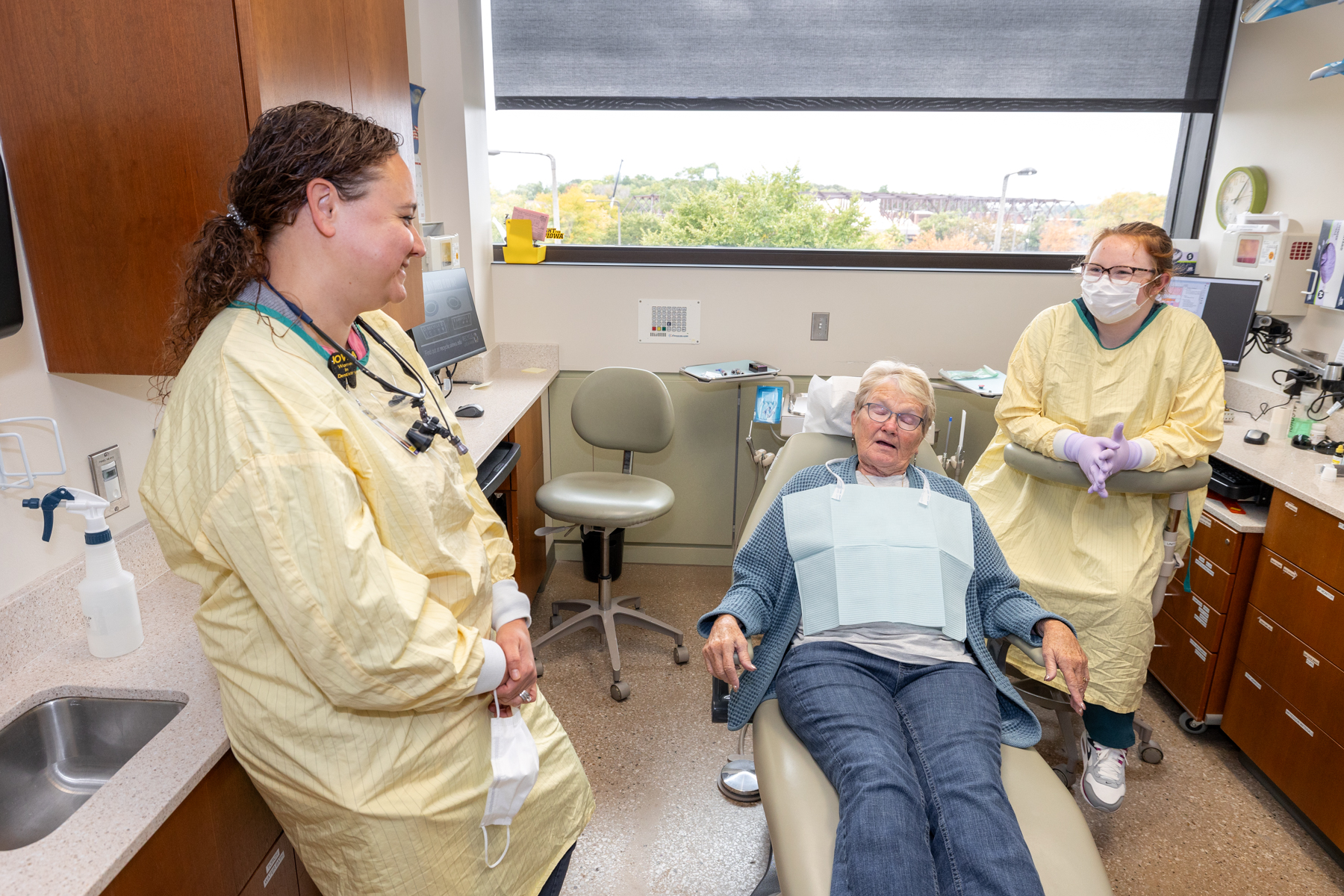
“Many of the challenges affecting older adults and adults with disabilities are shared across countries, and progress often comes faster when institutions work together,” says Marchini.
Patients ultimately benefit when those lessons lead to more accessible, compassionate, and effective care.
“This opportunity will help strengthen collaborations that bring new ideas, research partnerships, and educational opportunities back to Iowa, benefiting our patients, learners, and communities,” says Marchini.