Periodontitis, commonly known as gum disease, affects nearly half of U.S. adults over age 30 and remains one of the leading causes of tooth loss. In its most severe forms, the disease destroys the bone supporting the teeth, threatening a person's ability to chew comfortably, maintain oral health, and benefit from treatments such as dental implants. While current therapies can help control infection and slow disease progression, they often cannot restore the bone that has already been lost.
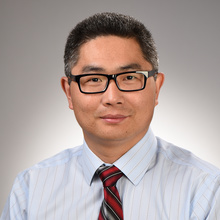
With a new National Institutes of Health R01 award, Hongli Sun, professor in the Department of Oral and Maxillofacial Surgery and the Iowa Institute for Oral Health Research at the University of Iowa College of Dentistry, is leading research to develop a new strategy for repairing jawbone damaged by periodontal disease. The project seeks to help the body not only stop disease progression but also regenerate the tissues that have been lost.
More particularly, the research focuses on the role of cellular energy production for those with periodontal disease. The jawbone is unlike other bones in the body. It develops differently, endures constant mechanical stress from chewing, and is routinely exposed to oral bacteria. These unique demands require substantial energy at the cellular level. When chronic inflammation disrupts the function of mitochondria, the part of the body that generate energy for the cell, it diminishes the body's ability to resolve inflammation and rebuild bone.
"Current treatments are effective at controlling the infection associated with periodontal disease, but regenerating the bone that has been lost remains a major challenge," Sun said. "Our goal is to develop a therapy that addresses both inflammation and tissue repair by restoring the cellular functions needed for healing."
The project builds on discoveries from Sun's laboratory involving a novel, patent-pending biomaterial derived from alpha-ketoglutarate, a naturally occurring molecule that plays a central role in cellular energy metabolism. Early studies demonstrated that nanoparticles created from this material can be absorbed by bone-forming cells, improve their function, and stimulate bone regeneration. The team also found evidence that the material helps reduce harmful oxidative stress while boosting cellular energy production. In preclinical studies, both the new biomaterial and the antioxidant quercetin showed promise in reducing periodontal bone loss.
To advance these findings, the researchers will develop a new injectable therapy designed to work in stages as diseased tissues begin to heal. The treatment is intended to reduce inflammation and restore healthier cellular function before encouraging the cells responsible for rebuilding bone to become more active. By coordinating these processes, the team hopes to create an environment that supports both healing and regeneration, goals that are rarely achieved simultaneously with existing approaches.
Along the way, the researchers will investigate how changes in cellular energy production influence immune cells and bone-forming cells during disease and recovery. Understanding these biological interactions could reveal new ways to promote healing and improve the body's natural regenerative response. The team will also evaluate whether the therapy can reduce inflammation, preserve existing bone, and stimulate new bone formation in areas damaged by advanced periodontal disease.
"One of the biggest challenges in treating advanced gum disease is that we can often control the infection, but we cannot reliably restore the bone that has already been lost,” Sun explained. “Our goal is to develop therapies that help patients keep their natural teeth longer, maintain oral function, and benefit from more predictable regenerative treatments in the future."
For patients, the long-term implications extend well beyond treating infection. More successful regeneration of the jawbone could help preserve natural teeth, improve oral function, increase the predictability of dental implant therapy, and reduce the need for more invasive reconstructive procedures following severe periodontal disease.
The work may also have implications beyond oral health. Because chronic inflammation and mitochondrial dysfunction contribute to many diseases, insights gained through this research may eventually inform regenerative strategies for other conditions characterized by impaired healing, including osteoarthritis and diabetes.
The project brings together expertise in regenerative medicine, biomaterials, oral biology, and periodontics. Sun's team includes co-investigators Shaoping Zhang (Associate Professor of Periodontics), Ling Yang (Professor in the Department of Anatomy and Cell Biology), and Erliang Zeng (Professor in the Iowa Institute for Oral Health Research). Together, the researchers aim to better understand how inflammation, cellular metabolism, and tissue regeneration interact in periodontal disease and how those discoveries can be translated into more effective therapies for patients.
Research reported on this website is being supported by the National Institutes of Health under Award Number R01 DE036166-01. The content is solely the responsibility of the authors and does not necessarily represent the official views of the National Institutes of Health.