
Research at the University of Iowa College of Dentistry continues to thrive across the full continuum of discovery—from foundational bench science to clinical innovation and population-based investigations. In 2024–2025, faculty and research teams contributed to eight key collaborative focus areas, producing impactful peer-reviewed publications, earning competitive grant funding, presenting at national and international conferences, and sharing their work through public engagement and media outreach. These achievements reflect the college’s strong culture of collaboration and its ongoing commitment to translating scientific discovery into real-world improvements in oral health and patient care.
Bioengineering, Tissue Engineering, Stem Cells, Biomaterials, and Materials Research
Hongli Sun's lab publishes findings on a drug delivery tool for bone regeneration for older bones
Researchers tested an enhanced bone scaffold coated with antioxidant polydopamine nanoparticles to address age-related barriers to bone healing. While the modified scaffold improved osteoblast function and bone formation in the lab, it showed limited benefits in older bone tissue in vivo. The findings underscore the complexity of bone repair in aging and the need for more advanced, targeted scaffold designs.

Amendt lab receives NIH grant to explore IRX1 in oral tissue regeneration and wound healing
Brad Amendt’s lab received an NIH R56 grant with total costs $480,840 for 1 year to investigate the role of the IRX1 gene in the regulation of oral tissue repair and maintenance.

Zhang lab publishes key findings about protecting against gum-disease-related bone loss
This study shows that type I interferons help protect against gum disease by calming harmful immune responses that lead to bone loss. By reducing IL-17–driven inflammation, these proteins may offer a pathway to new therapies. The findings could help providers better tailor care for patients at higher risk of severe periodontal disease.
Clinical, Translational, and Big Data Research
Dr. Anvita Maharishi receives grant to study chairside graded zirconia materials
Dr. Anvita Maharishi, assistant professor of Family Dentistry, received a $10,000 grant from the American Academy of Esthetic Dentistry to investigate the properties of chairside graded zirconia. Her project examines how speed sintering and surface treatments affect the strength and appearance of these materials. The goal is to develop practical guidelines that help dentists use newer zirconia systems more effectively in clinical settings.

Dr. Viapiana Masiero examines examines factors that influence endodontic sealers properties
Dr. Anelise Viapiana Masiero, associate professor of Endodontics, is leading a study to evaluate how different irrigation techniques and instrumentation approaches affect sealer penetration in root canal treatments. The project also examines how heat application impacts the performance of calcium silicate-based sealers—materials essential for preventing reinfection. Supported by the College’s CRISP program, this research could lead to more effective clinical protocols and longer-lasting treatment outcomes by identifying optimal combinations of materials, techniques, and application conditions.

Dr. Trishul Allareddy's work on AI is making a difference in radiograph interpretation
As AI rapidly reshapes healthcare, Dr. Trishul Allareddy, professor and department head of Oral Pathology, Radiology, and Medicine, is helping lead the national conversation on how dentistry can embrace AI responsibly. Working with the ADA and DICOM, he is developing frameworks to ensure diagnostic tools like radiograph-reading algorithms support—rather than replace—clinical expertise. His focus: safeguard patient privacy, establish standards for model evaluation, and integrate AI ethically to improve diagnostic efficiency without compromising care.
Craniofacial, Oral Biology, Genetics, and Dental Development
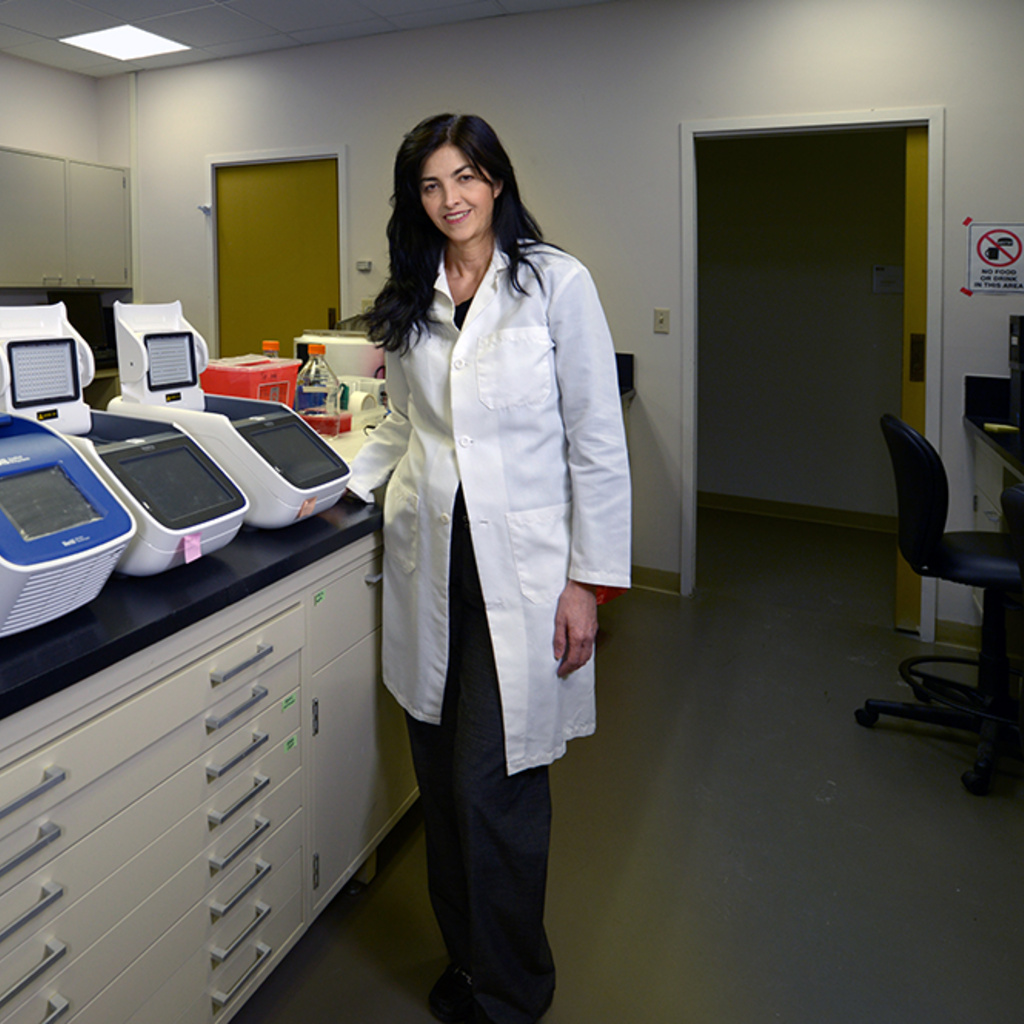
Dr. Butali and Dr. Moreno research group publishes findings on sex-specific risks for cleft lip and palate
There are two types of orofacial clefts (OFC), cleft lip with or without cleft palate (CL/P) and cleft palate only (CP). Although prior studies had found sex-specific risks for CL/P that explain why CL/P is more common in males than in females, the fact that CP is more prevalent for females than for males has not been explained. To address this gap, the research team with several University of Iowa researchers performed a sex-stratified genome-wide association study based on proband sex followed by genome-wide gene-by-sex interaction testing. The team found that LTBP1 is a gene of interest for CP risk, particularly for females, but these findings would not have been detectable in a combined sex cohort.
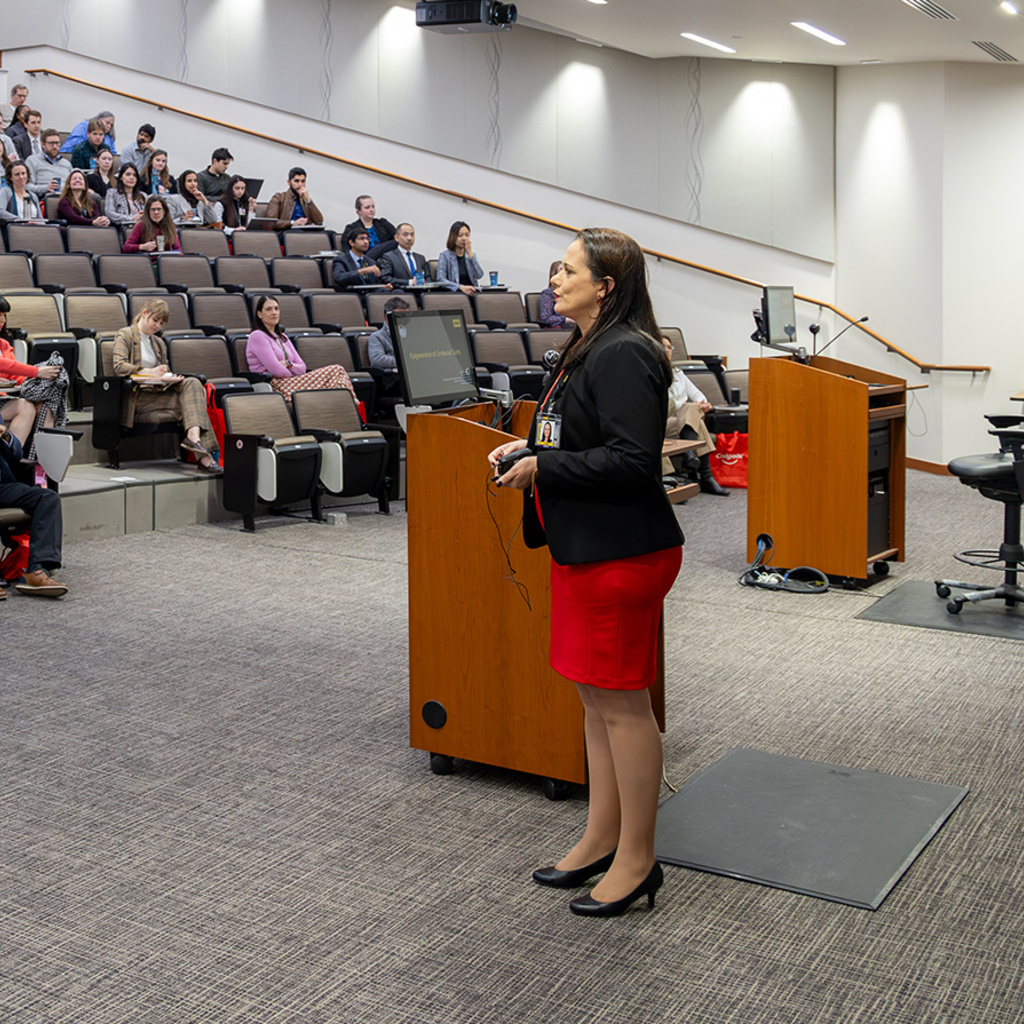
Petrin-Moreno-Van Otterloo labs publish findings on genetic basis for OAVS
The study investigates the genetic basis of Oculoauriculovertebral Spectrum (OAVS) in a three-generation family. The researchers identified rare missense mutations in the genes SIX1, PDGFRA, and KDR/VEGFR2 that are strongly associated with OAVS phenotypes such as macrostomia, preauricular tags, and ptosis. These findings suggest that these genes play a significant role in the development of OAVS and highlight the importance of understanding genotype-phenotype correlations for better diagnosis, family counseling, and prevention of this condition. The study emphasizes the complexity of OAVS etiology, involving multiple genetic factors.

Dr. Azeez Butali honored with Presidential Early Career Award
Azeez Butali is a global leader in cleft lip and palate research and the world’s foremost expert in the genetics of these conditions in African populations. The award recognizes Butali's pioneering research in the field.
Immunology, Inflammation, Microbiology, Caries and Microbiome Research
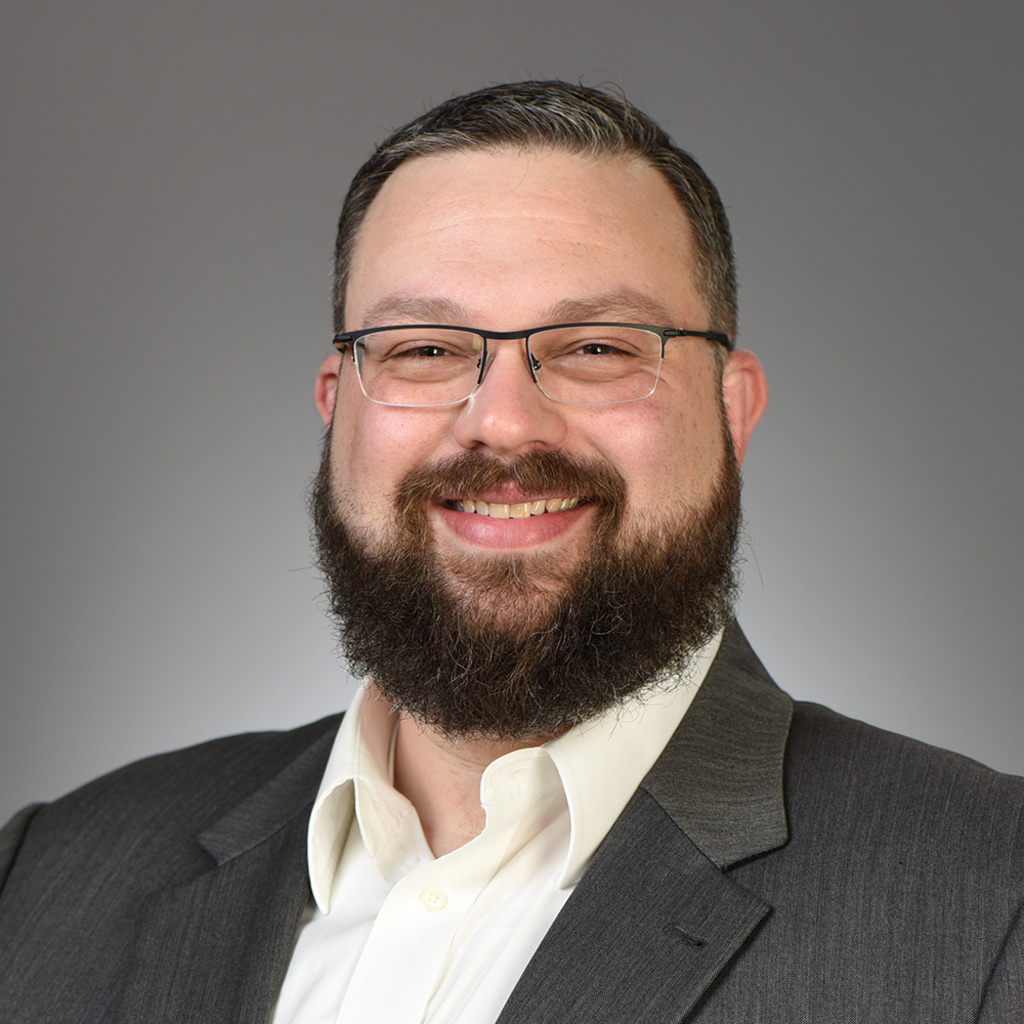
Dr. Shareef Dabdoub Receives NIH Grant to Unlock Secrets of the Oral Virome
A University of Iowa researcher Dr. Shareef Dabdoub has been awarded a grant (R03) from the National Institutes of Health (NIH) and National Institute of Dental and Craniofacial Research (NIDCR) to investigate the complex role of viruses in oral health and disease. The grant, totaling $311,000, will support two years of research.

Dr. Jeff Banas Receives Subaward for NIH-Funded Study on Innovative Dental Restoration Materials
Dr. Jeff Banas has received an NIH subaward to support research on a novel dental material that resists biofilm buildup and secondary decay. In collaboration with East Carolina University, his lab will test antibacterial properties of new resin composites—advancing efforts to improve restoration longevity and patient oral health outcomes.

Dr. Steven Levy Supports Development of Clinically-Relevant Caries Risk Index
Dr. Steven Levy is co-investigator on an NIH-funded study developing a clinically meaningful caries risk index using national survey data. He’s helping ensure that the tool reflects real-world dental practice, with the goal of improving risk assessment and patient outcomes in clinical settings.
Oral Cancer

Dr. Lanzel publishes findings on cisplatin resistance in head and neck squamous cell carcinoma
A study published in the Journal of Dental Research identified Aurora A kinase as a key contributor to cisplatin resistance in head and neck squamous cell carcinoma (HNSCC). Researchers, including Emily Lanzel, demonstrated that inhibiting Aurora A enhances cisplatin’s effectiveness by promoting DNA damage, replication stress, and apoptosis in cancer cells. These findings suggest that combining Aurora A inhibitors with cisplatin may improve treatment outcomes and reduce tumor recurrence in patients with advanced HNSCC

Dr. Ransome van Der Hoeven on How Worms Provide Insight into Immune Responses of Immunocompromised Patients
Dr. Ransome van der Hoeven is working to improve options for immunocompromised patients. In his research, he has made advances in our understanding of innate immune responses by studying the worm, C. elegans.

Dr. Sukirth Ganesan's research group publishes findings on oral health impact after a particular kind of cancer treatment
A recent study examined oral health outcomes in patients who received allogeneic hematopoietic cell transplantation (allo-HCT), a treatment for cancers and blood disorders. Researchers, including Sukirth Ganesan, followed 60 patients for two years after transplantation and found persistent oral health issues that affected quality of life.
At the two-year mark, nearly half of participants reported oral pain and dry mouth. Other symptoms included difficulty swallowing, taste changes, and embarrassment related to oral health. These problems impacted diet quality and comfort during eating, highlighting the need for long-term, personalized oral health care for allo-HCT survivors.
Oral Health Policy Research
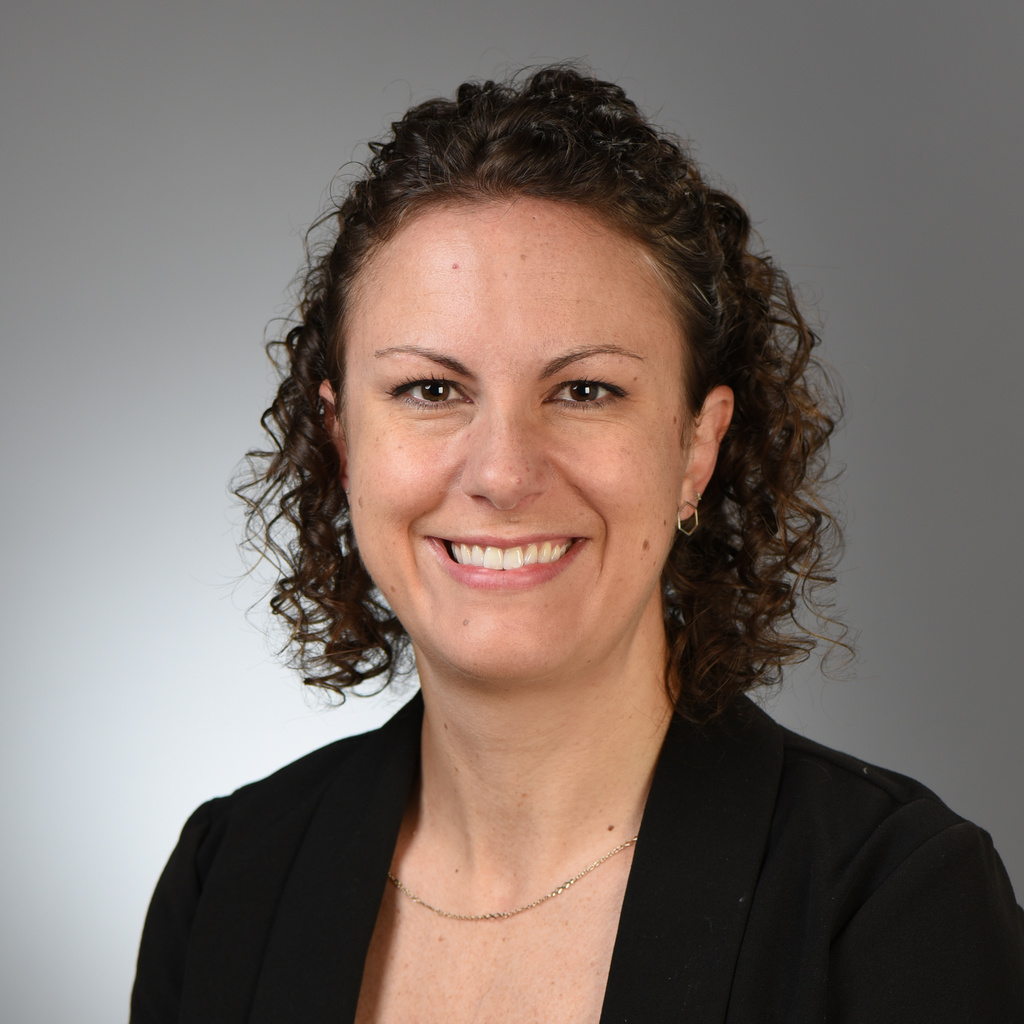
Iowa Dentistry researchers publish findings on relationship between Medicaid policy and usage among children
A national study of Medicaid-enrolled children found that state-level factors such as dentist participation in Medicaid and reimbursement rates significantly influenced dental care use, especially among children aged 1–3. Children in states with lower adult dental coverage were more likely to have dental visits than those in states with extensive coverage. Led by Dr. Julie Reynolds, the research highlights how policy levers can improve access and promote oral health equity for children.

Dr. Sukalski publishes findings on perceived social status and oral health for Medicaid Insured adults
A study of over 2,300 Medicaid-insured adults in Iowa found that individuals’ perceived social status (PSS)—how they view their place in society—was significantly associated with their self-reported oral health. Even after accounting for traditional socioeconomic factors like income and education, PSS explained additional variation in oral health outcomes. These findings suggest that lived experiences and self-perception play a meaningful role in shaping oral health, especially in low-income populations

PhD Student Pamela Nwachukwu publishes findings on participation in Dental Medicaid programs
Medicaid coverage for oral health care can improve access to care for underserved populations, including patients from low-income backgrounds. However, dentists must accept Medicaid patients for this coverage to improve access to care. Some U.S. states, like Iowa, are using managed-care organizations (MCO) to handle dental Medicaid coverage in the state. Iowa uses two such organizations. This study used surveys of Iowa private practice dentists to examine Medicaid participation rates for these two managed-care organizations in Iowa. Among other findings, the researchers found that Iowa dentists were substantially more likely to accept one MCO rather than the other. This was the case for adults (26% v. 7%) and for children (40% v. 11%). Among the factors that may influence dentists’ preferences for one MCO over the other may include: differences in administrative processes and requirements related to dentist enrollment and credentialing, speed/denials of payments, the length of time an MCO has operated in a state, etc. The study concludes that future studies of Medicaid participation among dentists should consider variations in MCOs for states with more than one dental MCO.
Public Health, Epidemiology, and Behavior Science
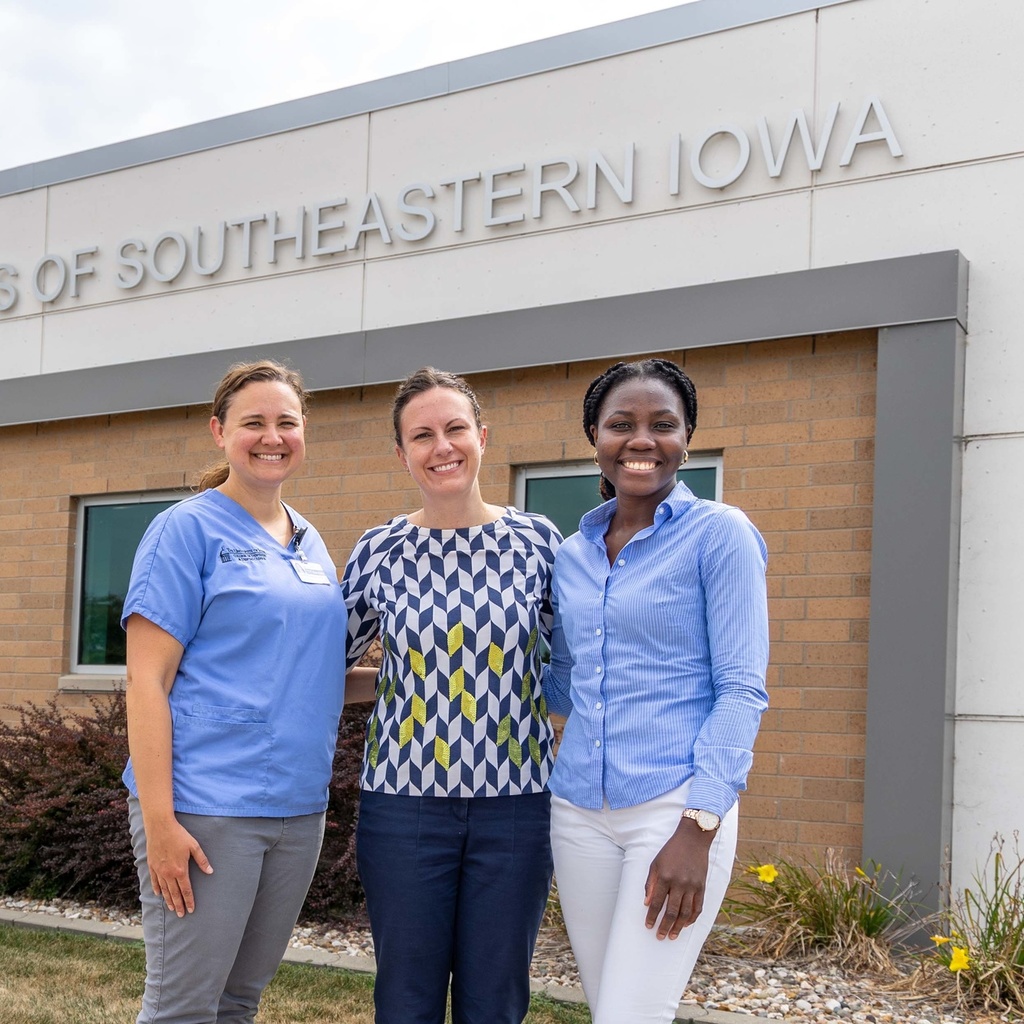
Iowa Dental Public Health faculty publish findings on virtual dental home in long-term care facilities
In collaboration with long-term care facilities for older adults and the Community Health Centers of Southeastern Iowa in Keokuk, the University of Iowa is developing a pilot project aimed at establishing a virtual dental home for underserved populations, such as older adults in long-term care facilities. The study was a 6-month longitudinal cohort study in which a dental hygienist would provide in-person preventive care for the residents in the long-term care facility and take high quality images for a dentist to evaluate asynchronously, with follow-up care in dental clinics if required. Over the 6-month period, the care significantly helped treat caries for patients who had active caries at the initial examination. The study successfully established a virtual dental home in Iowa using teledentistry, and it provides a model that can be replicated.

Alex Harper’s Research on Attitudes about Fluoride Use
As debates surrounding fluoride gain attention across the U.S., a dental student from the University of Iowa is tackling the issue head-on. Alex Harper, a fourth-year dental student, is investigating attitudes about fluoride and tap water. As misinformation erodes trust in science, Harper’s research provides timely insights into public perceptions and oral health behaviors.

Iowa Dentistry faculty and students lead at National Oral Health Conference
The University of Iowa College of Dentistry and Dental Clinics was prominently represented at the National Oral Health Conference, held April 7-9 in Orlando, Florida, with a delegation of fifteen faculty members, residents, and students attending.